
Kent, WA
Garage Door Repair for Kent's 1980s Housing Stock
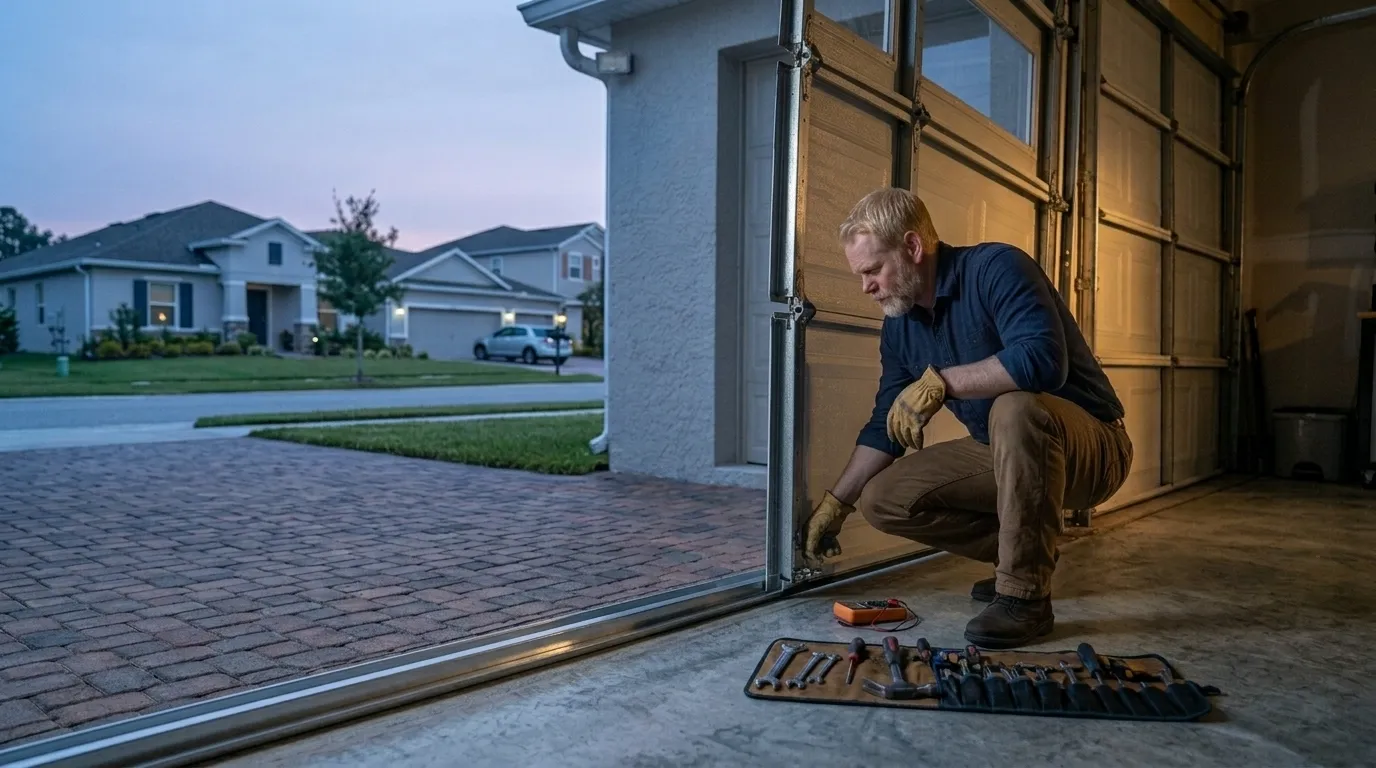
Kent Garage Door Co repairs springs, openers, and tracks on the 1980s-era steel doors common across Kent and the surrounding service area. Same trade, no guesswork.
What we do
Garage door work in Kent
Garage Door Installation Built for Kent's Housing Stock
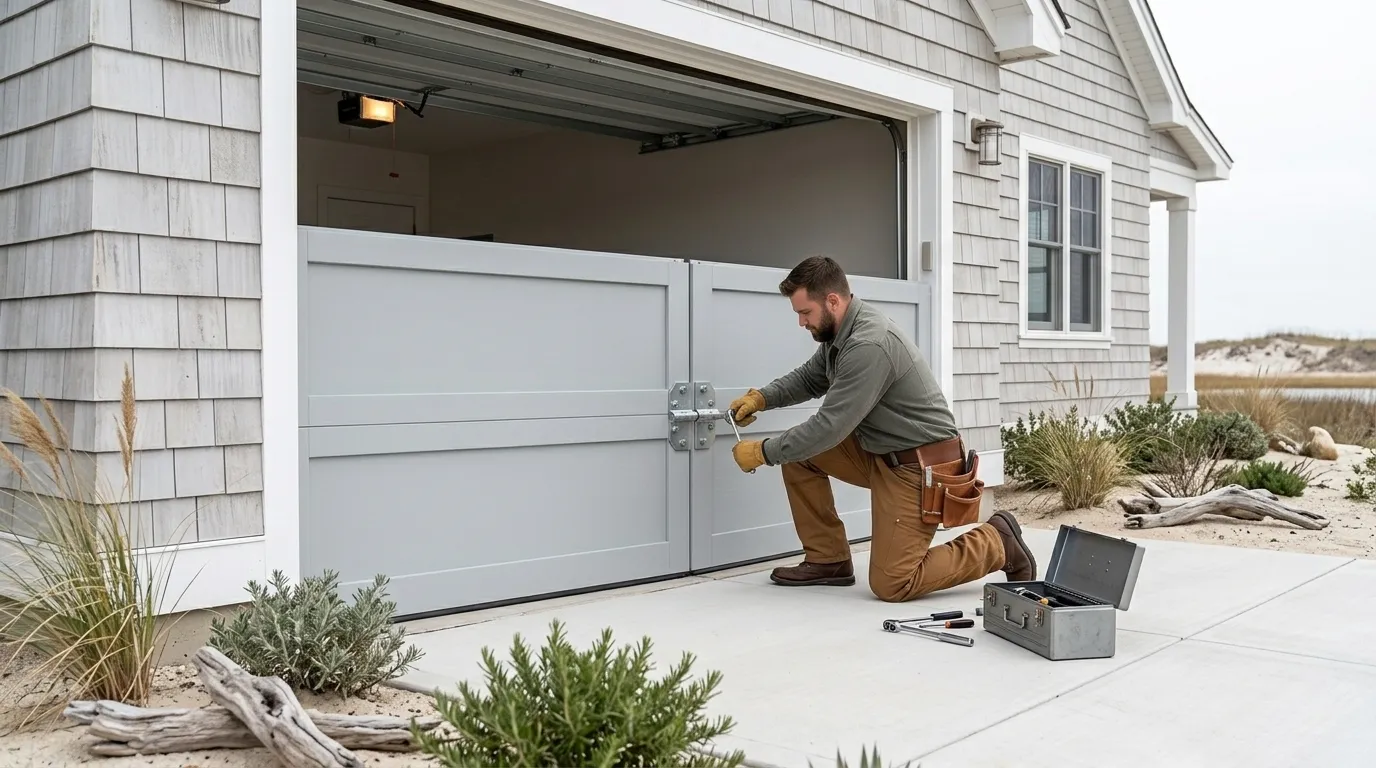
Installing new garage doors on Kent's 1962-2005 housing stock, matched to torsion hardware and insulation that hold up through a cold, wet Puget Sound winter. Learn more →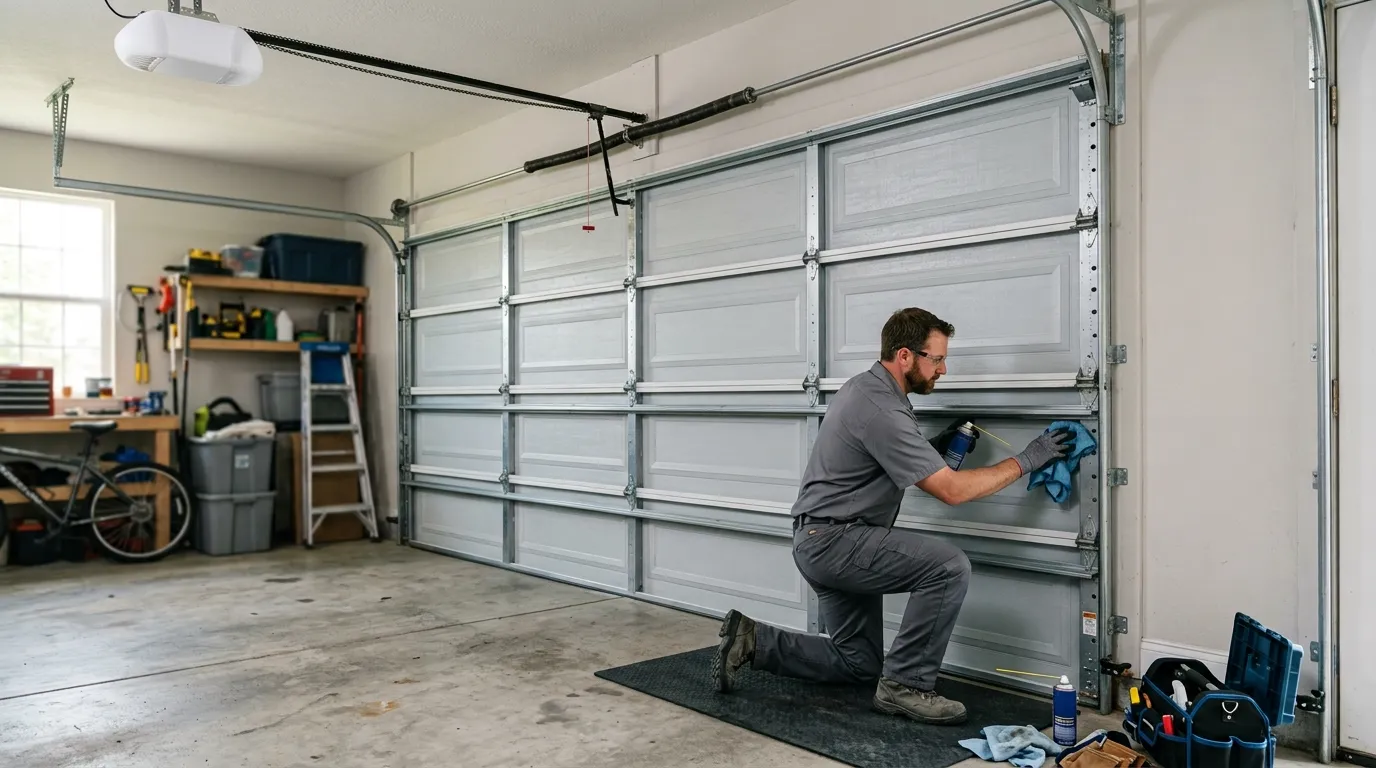
Garage Door Service for Kent's 1960s-2000s Housing Stock
Garage door service for Kent homes built mostly between 1962 and 2005, matched to the cold, wet Pacific Northwest climate this hardware has to survive every winter. Learn more →Local detail
How It Shows Up
The call usually starts the same way: the door won't open, or it opens halfway and stops, or it's making a bang on the way down instead of a smooth roll. Sometimes it's a cable that's jumped its drum, sometimes a spring that's let go overnight and left the door sitting on the floor like dead weight. On the newer end of the local stock - houses built into the 90s and early 2000s - we see opener boards failing and rollers going flat rather than spring breaks.
On the older end, closer to that 1983 median build year, it's almost always the torsion spring itself, or the bearing plate it rides on, worn out from three or four decades of daily cycles. Either way, the door tells you before it quits completely: a slow start, a shudder partway up, a spring that looks stretched or has a visible gap in the coil. If your door is groaning more than it used to, that's not normal wear you can ignore - it's the last stage before it stops working at all, usually at the worst possible time, like when you're already late and the car's inside.

The area
What Causes It Around Here
Housing in this service area mostly went up between 1962 and 2005, with the median landing around 1983, and 43 named communities in the territory share that same 1980s-90s builder wave. That matters because a huge share of the doors out there are original equipment - the same torsion spring gauge, the same steel panel thickness, installed within a few years of each other across the region. Springs are rated for a set number of open-close cycles, and once a neighborhood's doors cross that number around the same era, failures cluster. On top of the age, this area sits in a cold-moderate climate band.
Steel doors and their hardware contract in winter cold and expand back in summer, and that seasonal flex works bolts loose, dries out lubrication faster, and fatigues spring coils ahead of schedule compared to a milder climate. None of this is dramatic - no storm, no single event - it's just decades of temperature swings and daily cycles catching up with hardware that was never meant to last forever. It's slow, it's predictable, and it's why so many of our calls come from houses of a similar age.
What we find
What Can Go Wrong
A torsion spring under tension that snaps or slips off its winding cone can put a lot of force into a small space fast - that's the one repair we never suggest doing yourself. Beyond springs, a worn cable can fray and jump the drum, which lets one side of the door drop while the other holds, racking the door in its tracks and bending the panel or the track itself. Rollers that have gone brittle from age and cold cycling can crack and jam mid-track, and on the older doors built to 1980s hardware specs, the drums and bearing plates that go with those original springs aren't something every supply house stocks anymore.
That's the honest limitation: if your door still has its original 1980s or early-90s hardware, we sometimes have to source a compatible part rather than an exact match, and on rare jobs that means a short wait instead of a same-visit fix. We'll always tell you upfront if that's the case rather than force a part that doesn't belong.
How we work
What the Fix Involves
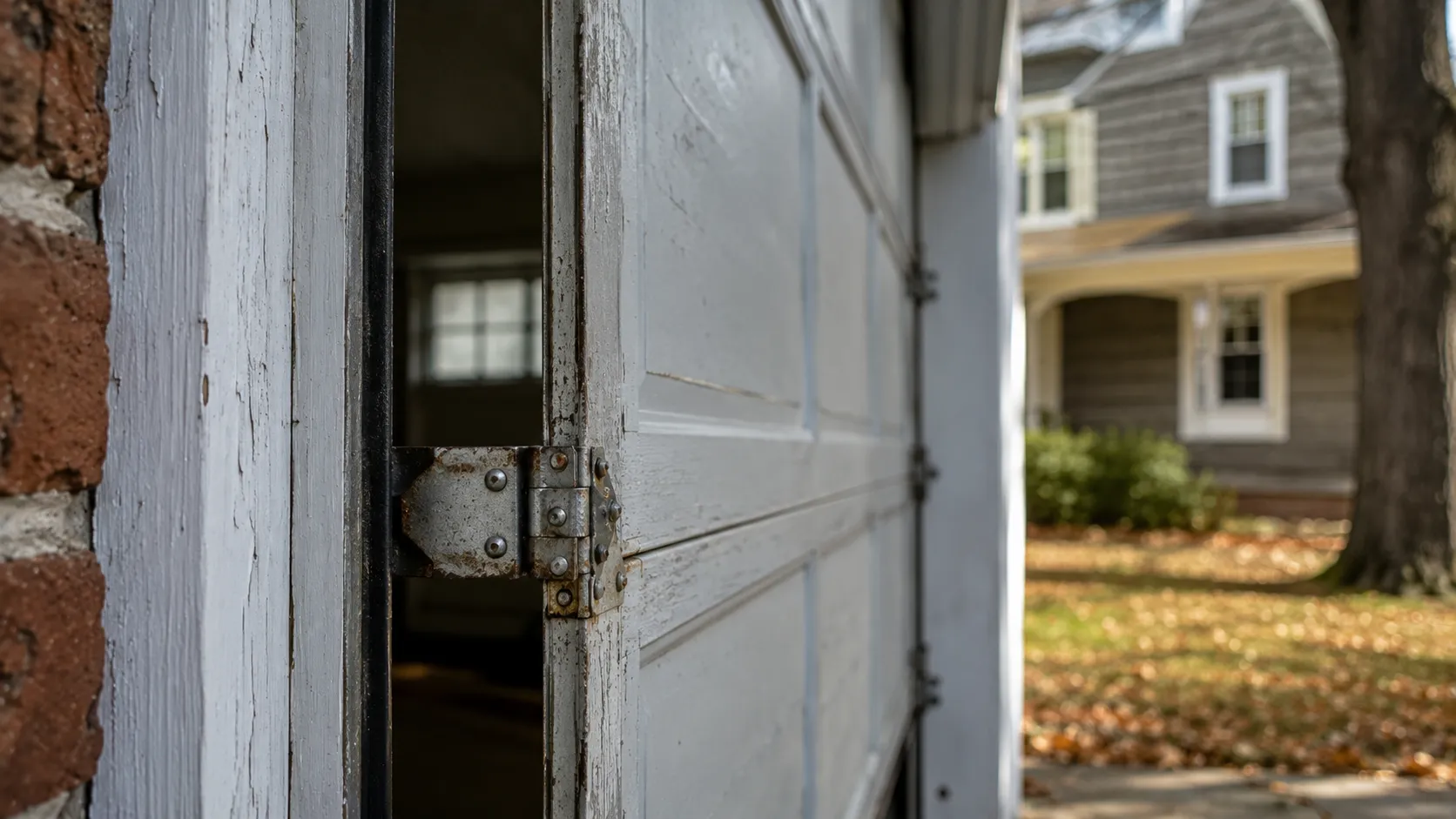
Most repair calls start with the same walk-through: check the springs for stretch or gap, check the cables and drums for fraying or slippage, run the door manually to feel where it binds, and check the opener's force settings if it's motorized. A spring replacement means winding down the old spring safely, matching the new one to your door's weight and the wind of the original hardware, then testing balance so the door holds position at the halfway point on its own - that balance test is how you know a spring job was done right, not just done. Cable and roller work is more straightforward, usually finished in the same visit.
Across the roughly 118,902 owner-occupied houses in this territory, the door itself is almost always original to the house, and the opener has usually been swapped out once or twice since. We fix what's actually broken rather than replace the whole door when a spring or cable will do the job - full replacement only makes sense when the panels are rusted through or the track is bent beyond adjustment.
Questions
Common questions
Why did my garage door spring break with no warning?
Springs rarely fail without warning - they usually show a stretch mark, a widening gap in the coil, or a slow start before they let go. In a cold-moderate climate like this one, winter temperature swings speed up that fatigue, so a spring that's been quietly wearing out for years can finally snap on an ordinary morning.
Is my door old enough that parts might be hard to find?
If your house was built in the 1962-2005 range that covers most of this area, especially around the 1983 median, your door and hardware may be original. We can usually source a compatible spring or drum, but on some older setups it takes a short wait rather than a same-visit swap - we'll tell you which before starting.
Should I replace the door instead of repairing it?
Usually not, if the panels and track are sound. Most calls we get are a spring, cable, or roller problem on an otherwise solid door. Replacement makes more sense when the steel has rusted through or the track is bent beyond straightening, not just because the door is decades old.
Can I replace a torsion spring myself?
We'd rather you didn't. A wound torsion spring holds enough force to cause a serious injury if it slips while you're working on it. Cables, rollers, and hinges are lower-risk if you're handy, but springs are the one repair worth having someone experienced handle.
Ready when you are
Need a garage door sorted in Kent?
Kent Garage Door Co repairs and installs garage doors, springs and openers in Kent, WA and the surrounding area.