
Kent, WA
Garage Door Installation Built for Kent's Housing Stock
Installing new garage doors on Kent's 1962-2005 housing stock, matched to torsion hardware and insulation that hold up through a cold, wet Puget Sound winter.
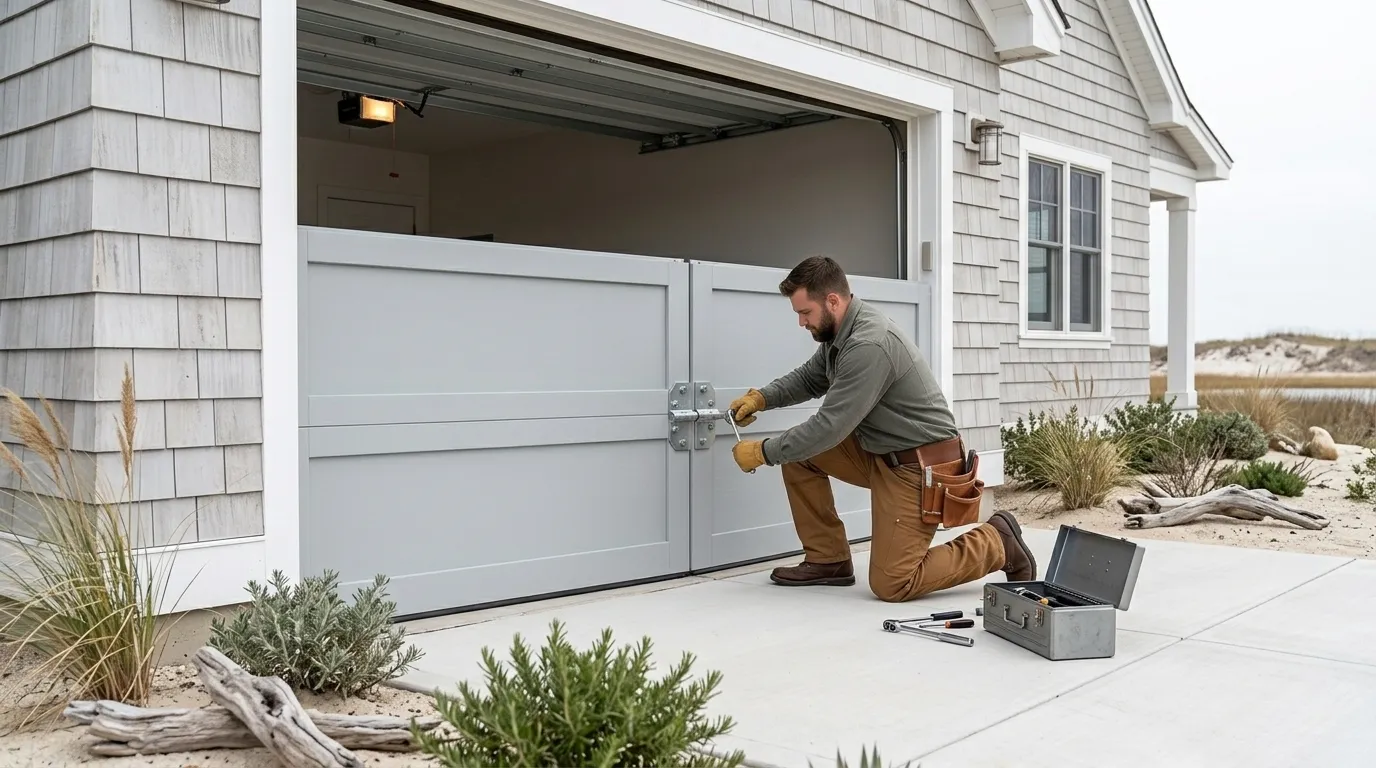
What we do
Garage door work in Kent
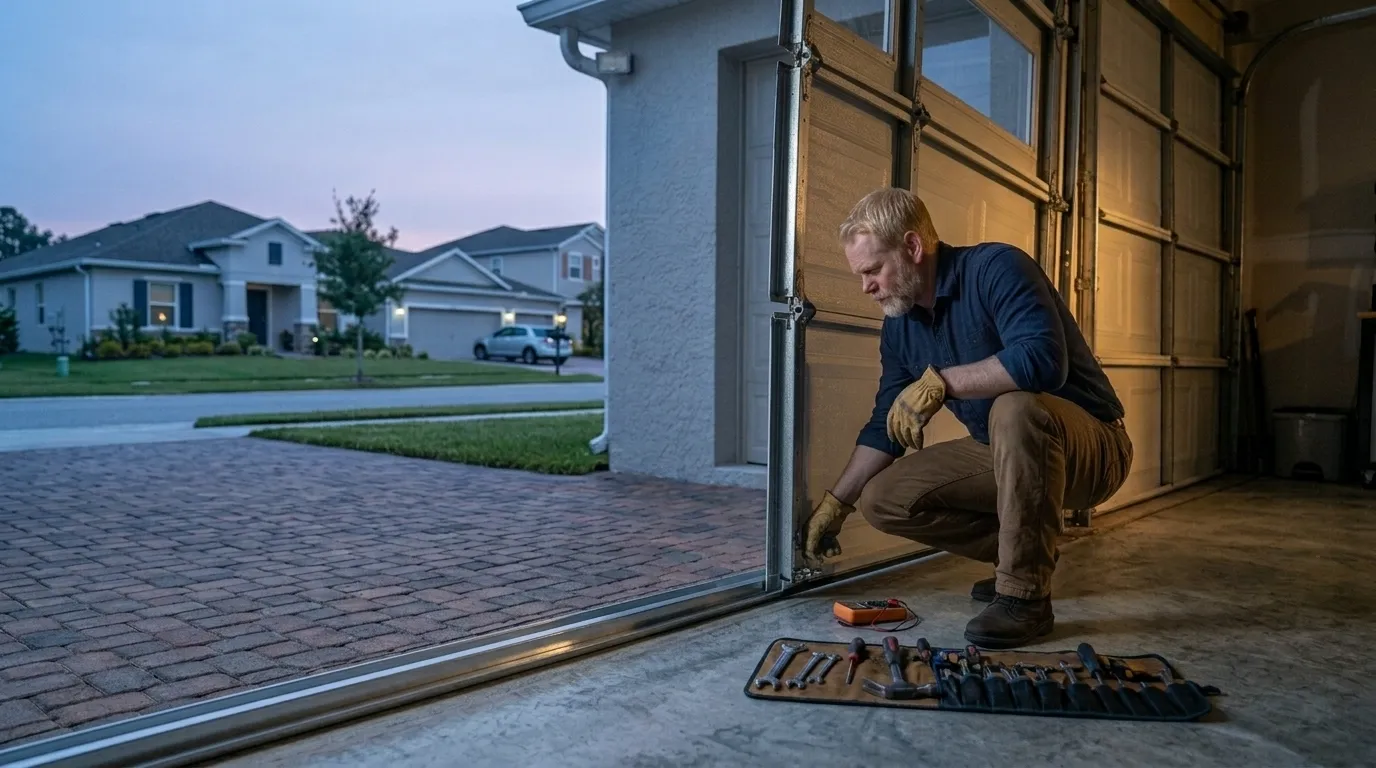
Garage Door Repair for Kent's 1980s Housing Stock
Kent Garage Door Co repairs springs, openers, and tracks on the 1980s-era steel doors common across Kent and the surrounding service area. Learn more →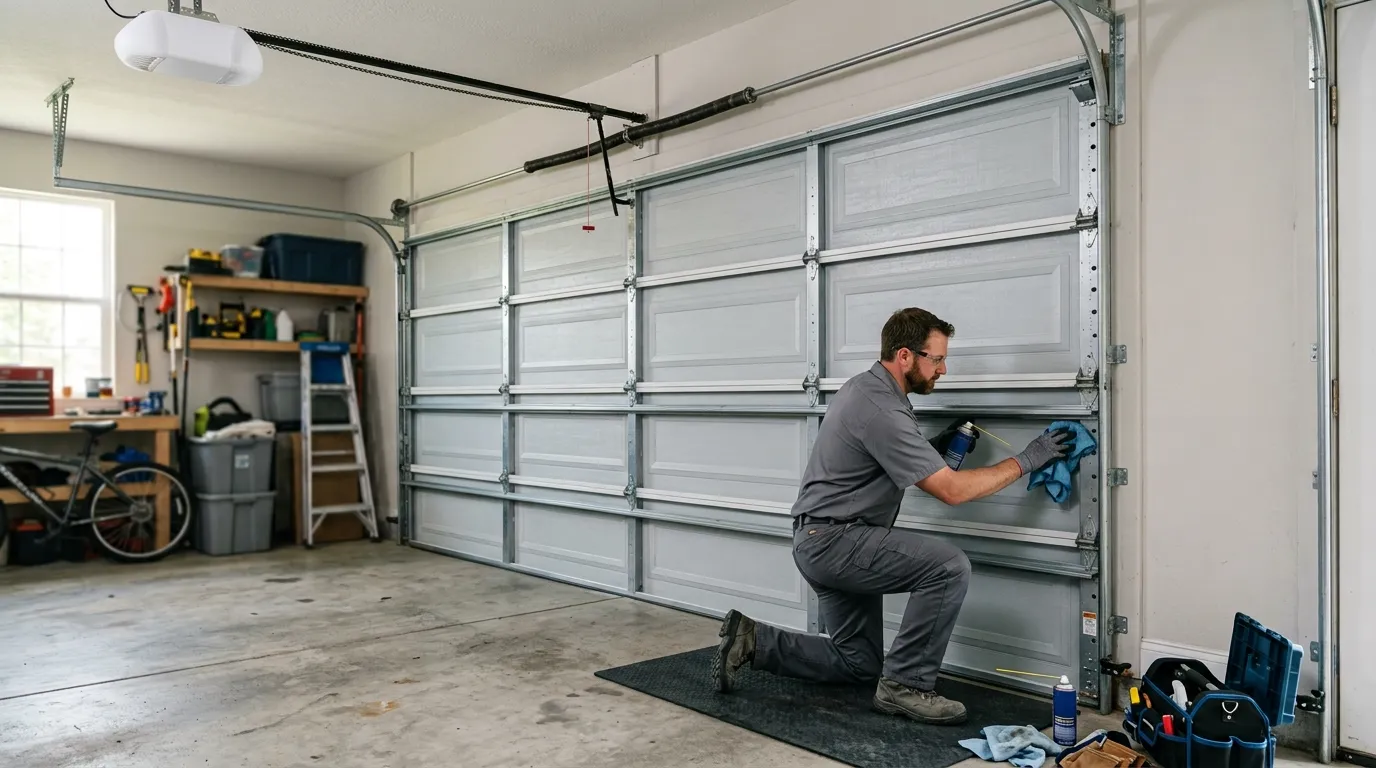
Garage Door Service for Kent's 1960s-2000s Housing Stock
Garage door service for Kent homes built mostly between 1962 and 2005, matched to the cold, wet Pacific Northwest climate this hardware has to survive every winter. Learn more →Local detail
How It Shows Up
Most calls for a new door around here start the same way: the old one still runs, but it's loud, it's heavy to lift by hand when the opener hiccups, and the bottom panel has started to bow or rust at the corners. Kent's housing was mostly built between 1962 and 2005, with a lot of it going up in the 1980s and 90s across the 43 named neighborhoods and unincorporated areas in this stretch of King County. That means a big share of the doors we're asked to replace are original steel sectional doors from that build era - single-layer, no thermal break, and hardware sized for a lighter door than what most homeowners want to put in today.
When a customer tells us the door "just feels tired," that's usually exactly what's going on: 30-plus year old steel doing its job past its design life. On newer construction in the same neighborhoods, the complaint is different - it's usually an opener or spring mismatch rather than the door itself giving out.

The area
What Causes It Around Here
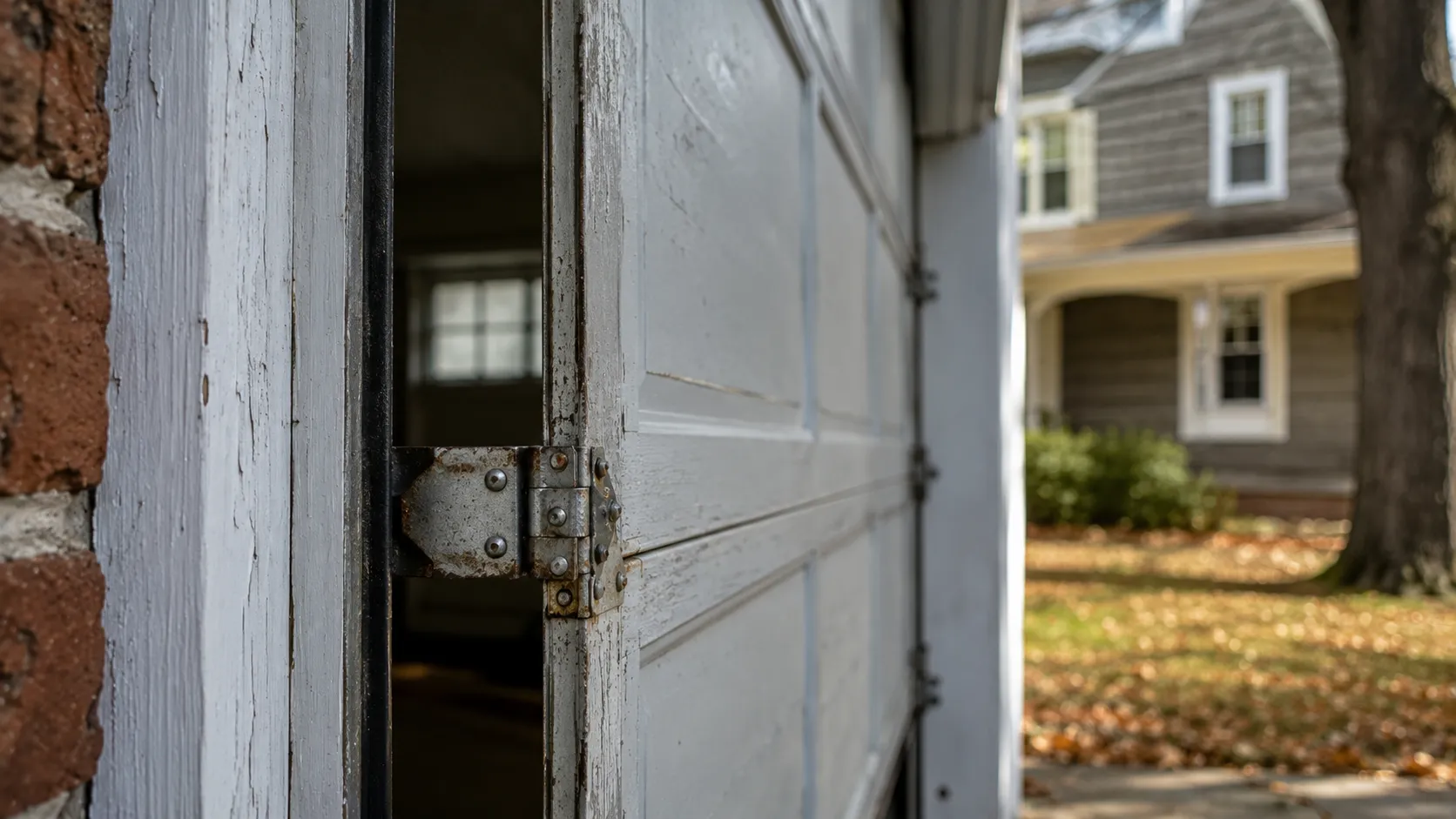
This area sits in a cold-moderate climate band, which doesn't mean brutal winters, but it does mean repeated cycles of damp cold, condensation, and temperature swings across the year. On a single-layer steel door from the 1980s or 90s building stock, that cycling shows up as rust starting at the bottom seal track and corner welds, and as panel warp where water sits against the garage floor overnight. It's not one hard freeze that does the damage - it's forty years of wet-cold, dry-out, wet-cold again.
Homes built later in that same 1962-2005 window, especially post-1990s construction, more often have insulated doors from the start, so the failure mode there tends to be a spring or opener sized wrong for the door's actual weight rather than the steel itself failing. Either way, the fix isn't the same job twice - a straight swap of an old uninsulated door for another uninsulated one just restarts the same clock.
What we find
What Can Go Wrong
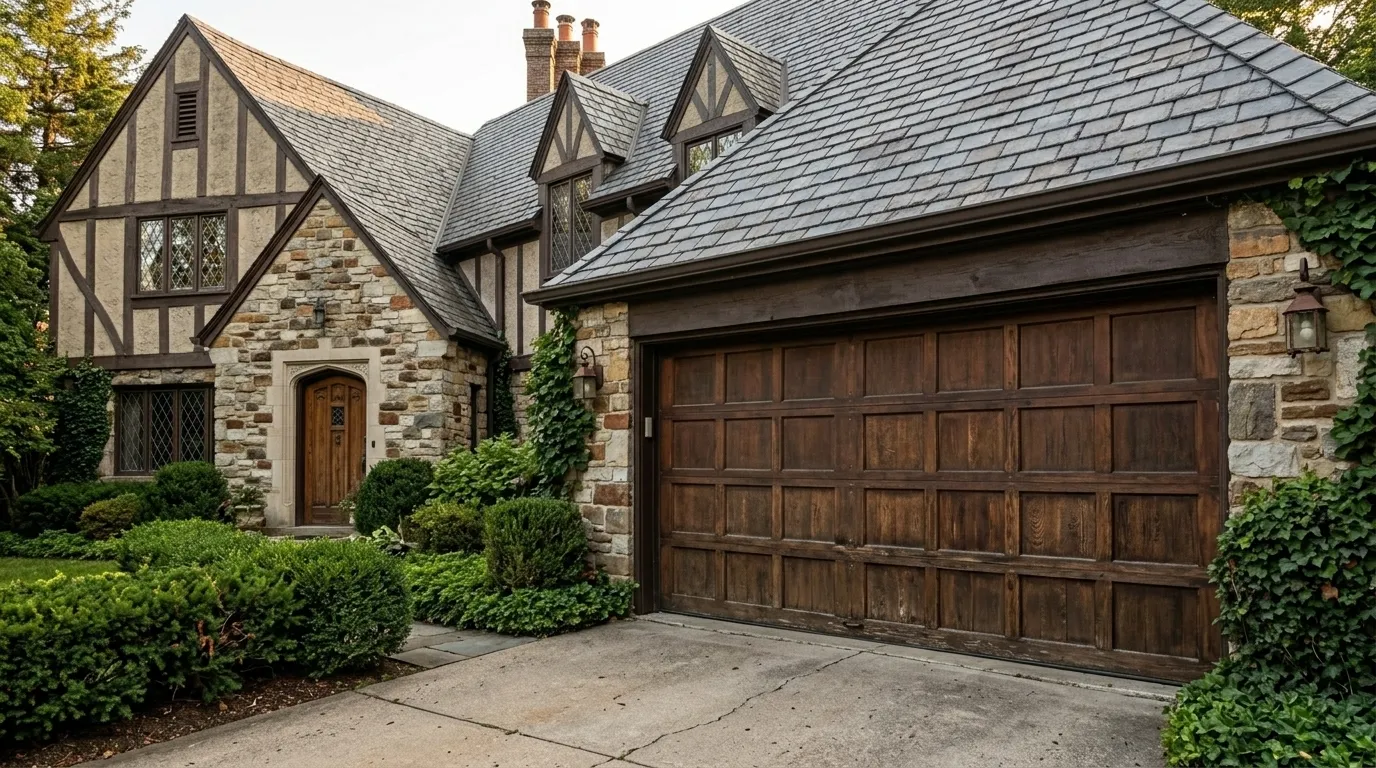
The most common mistake we see on older Kent houses is reusing the original tracks and torsion spring with a new, heavier insulated door. The door looks great going in, but the spring is undersized for the new weight, so it wears out fast or the opener strains every time it lifts. On the flip side, installing a door that's too heavy for a garage's existing header or jamb framing - common in some of the 1960s-70s builds at the edge of that construction window - can put stress on framing that was never sized for it.
We also see installs where the bottom seal isn't matched to the slab pitch, which on a damp-climate lot lets water track back under the door instead of running off. None of this is dramatic, but it's the kind of thing that turns a good door into a five-year problem instead of a twenty-year one.
How we work
What the Fix Involves
A proper installation starts with actually measuring the opening and checking the header, jambs, and floor pitch - not just ordering a door to match the old one's size. If the house falls in that 1962-2005 build range, we check whether the existing torsion spring and track were sized for a lighter, older door, because a heavier insulated replacement usually needs a spring change to match, and running the wrong spring against a new door is the fastest way to burn out an opener. We size insulation to the cold-moderate climate this area sits in - enough to cut condensation and noise without over-paying for R-value the garage doesn't need.
One honest limitation: if your framing has settled or rotted at the jamb, that's carpentry work before the door goes in, and we'll tell you that up front rather than hanging a new door on a bad opening. We serve homeowners across Kent and the surrounding area out to about Lakeland North, Des Moines, Fairwood, Covington, and SeaTac.
Questions
Common questions
Will a new door fit my existing tracks and opener?
Sometimes, but not always. If your house was built in the 1980s or 90s, which covers a lot of Kent's housing stock, the original hardware was likely sized for a lighter uninsulated door. A heavier insulated replacement usually needs a matched torsion spring, and in some cases a stronger opener, so we check this before quoting rather than assuming a straight swap.
Do I need an insulated door in this climate?
This area sits in a cold-moderate band, not extreme cold, so it's less about surviving deep freezes and more about cutting condensation, noise, and drafts through a wet winter. Most homeowners here get real comfort and quieter operation out of a mid-range insulated door without paying for the highest R-value options.
How do you handle an older, out-of-square opening?
We measure the header, jambs, and floor pitch before we order anything. If framing has shifted over the decades, which happens on homes built in the 1960s and 70s, that's carpentry work that needs handling before the door goes in. We'll flag it up front rather than force a standard door into a bad opening.
Ready when you are
Need a garage door sorted in Kent?
Kent Garage Door Co repairs and installs garage doors, springs and openers in Kent, WA and the surrounding area.